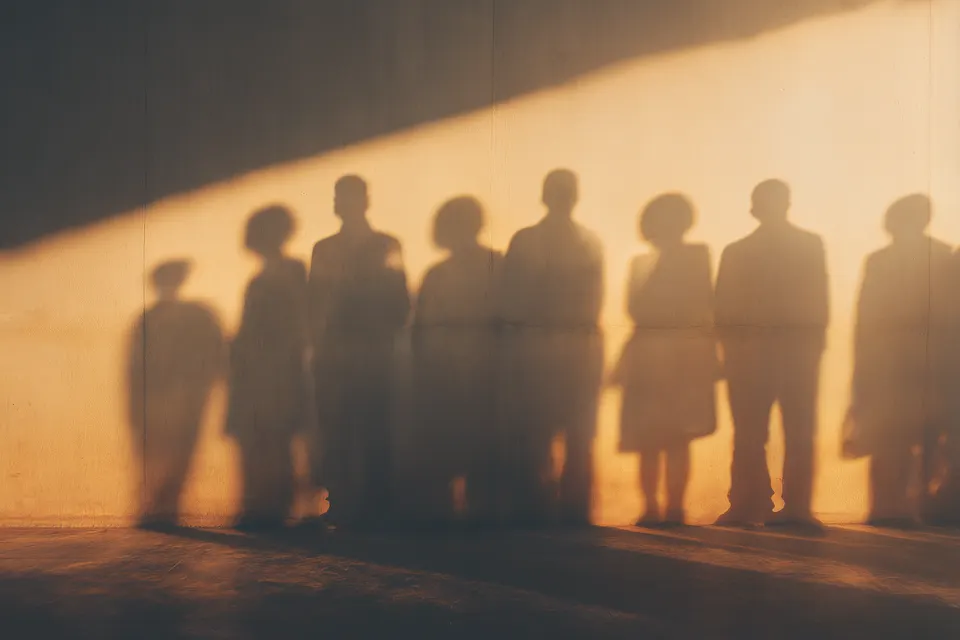

What the team sees as a lack of rigor is sometimes something else entirely, but saying so must be possible.
Of every hundred people with disabilities, only two use a wheelchair: most disabilities can’t be seen, and so they are judged more quickly. This module teaches you to see disability where it really is: where a person meets an environment designed without them. And to take the step that changes everything: making it normal to say what you need.
~20 min at your own paceKey skill: Disability Inclusion at WorkAvailable in FR + ENNo prerequisites
What you’ll take away
- a new way of seeing disability: a situation, never an identity
- the question to ask your whole team to make needs a normal topic
- a range of adjustments that remove a barrier and often benefit everyone
Who it’s for
Managers and colleagues who want a team where everyone can say what they need to work well.
Learning objectives
- Move beyond the image of the wheelchair: recognize the invisible, sometimes temporary disabilities present in every team.
- View disability as a situation that arises where a person meets their environment, rather than as an identity.
- Make it normal to express a need by asking everyone the same question about their working conditions.
- Remove barriers through work organization, tools, and AI (real-time transcription, text simplification) rather than by expecting people to over-adapt.
How does this module work?
The steps of the Adaptive module.
- Self-assessmentOn nine dimensions, to gauge current habits and guide the practice.
- Expert videoA ~10 min video with three pauses for reflection.
- Practice scenariosThe first two scenarios chosen from the self-assessment, then sixteen more, optional. Every answer gets feedback: what it leads to, and one way to improve.
- Dated commitmentOne action to try, written by the learner or chosen from the suggestions.
- Memo to downloadKey takeaways, questions, commitment, personal notes, and checklists.
Duration: ~20 min. Excluding bonus practice scenarios and optional in-depth content.